How the regional event scene is structured
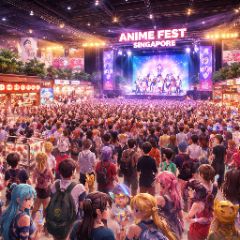
Singapore functions as a useful entry point because it hosts nearly every category of Japanese pop culture event in one city. Anime conventions like STGCC and AFA Singapore combine exhibitor halls, cosplay competitions, and live stage programming under one roof. These large commercial events attract regional guests, licensed merchandise booths, and ticketed concert segments featuring anisong or J-pop acts. Crowd sizes can reach tens of thousands over a weekend.
Separate from conventions, Japanese culture fairs sometimes incorporate pop culture programming alongside traditional arts or food. These tend to draw a broader general audience rather than dedicated fans.
Across Asia, cities develop distinct identities. Bangkok and Manila are known for enthusiastic cosplay communities and high-footfall fan conventions. Tokyo Game Show and AnimeJapan skew toward industry showcases with publisher panels and voice actor appearances. Taipei and Hong Kong have historically attracted collector-focused markets.
Community-led events, often organized by fan groups, stay smaller and more specialized. Commercial productions bring bigger budgets, ticketed headliners, and broader programming, but sometimes less of the grassroots energy that defines fan culture at its core.
Tickets, access, and what to expect on the day
Most major events like AFA (Anime Festival Asia) offer tiered ticketing: standard single-day passes, multi-day bundles, and VIP packages that include early entry or exclusive merchandise. Stage-specific tickets for headline performances often sell out within hours of going live, so registering for pre-sale alerts on platforms like SISTIC or the event's official site is worth doing weeks in advance. Meet-and-greet add-ons for guest seiyuu or idol groups are typically sold separately and cap attendance strictly.
Before purchasing, check the event's FAQ for cosplay prop restrictions, bag size limits, photography rules, and any age requirements for certain zones. Many festivals include free-entry outer areas alongside paid exhibition halls, so knowing which attractions require a ticket saves confusion at the gate.
On the day itself, exhibition halls tend to house licensed merchandise booths, artist alleys, and gaming demos. Screening rooms, stamp rallies, and photo spots draw long queues by mid-morning. Arriving early and mapping out panel schedules helps considerably, since popular stage events fill their viewing areas fast.
Notable event highlights and why fans keep returning
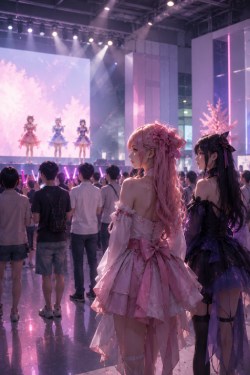
Certain moments from past events stay with attendees long after the hall clears. At AFA Singapore, international anisong artists performing live have consistently drawn the largest crowds, with acts like LiSA and May'n selling out dedicated concert segments. Guest panels featuring anime voice actors attract queues that form hours before doors open.
Cosplay championships are another reliable anchor. Regional competitions like the World Cosplay Summit qualifiers held across Southeast Asia draw entrants who have spent months crafting their costumes, and watching that level of craft on a main stage is genuinely compelling.
Beyond official programming, fan-driven activity fills the gaps. Creator booths run by independent artists, dance cover groups performing in open areas, and themed meetups organized through social media give events a participatory energy that no official schedule can manufacture.
Limited-edition merchandise and brand activations from Japanese studios add commercial pull, but it's the community dimension that explains repeat attendance. These events give regional fans a shared physical space to connect, support local creative talent, and engage directly with a culture they usually experience through screens.
The best events reward informed, curious fans
Preparation genuinely changes how much you get out of these gatherings. Japanese pop culture events across Singapore and the wider Asian region have grown considerably in both scale and variety, spanning ticketed anime conventions, cosplay competitions, live idol performances, industry panels, and fan-driven community markets. Each format carries its own ticketing logic, programming rhythm, and crowd expectations. Readers who compare event structures before purchasing, check official channels like event websites and verified social media accounts for scheduling updates, and treat each gathering as a window into regional fan culture rather than a single-purpose outing tend to come away with richer experiences. There's no denying that the scene rewards those who show up knowing what to expect. Follow the organizers, read the programme guides, and approach each event with genuine curiosity about how fans across Asia are shaping their relationship with Japanese pop culture on their own terms.