Who Appears on Stage and Why Fans Care
At any major Japanese pop culture convention, the guest lineup functions almost like a promise to attendees. Anisong and J-pop performers tend to headline these events, artists like LiSA or Hiroyuki Sawano whose music is inseparable from the anime that made them famous. A live performance carries a different kind of electricity than anything else on the schedule.
Voice actors occupy an equally devoted corner of fandom. Hearing Mamoru Miyano deliver a character line in person, or watching a cast reunite on stage for a reading, produces a kind of emotional recognition that fans describe as almost surreal.
Manga artists and directors offer something quieter but no less compelling. Live drawing demonstrations or candid industry talks pull back the curtain on creative processes fans rarely see.
VTubers like those from Hololive have added a genuinely new dimension, blurring the line between digital performance and physical presence in ways conventions are still figuring out.
How Convention Guest Sessions Are Designed
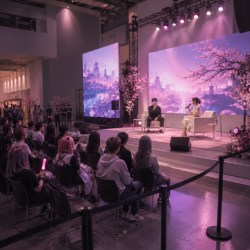
Organizers treat guest programming as a carefully sequenced event architecture, not a loose gathering of appearances. Most conventions separate sessions into two tiers: open-access panels held in large auditoriums and limited-capacity premium experiences requiring separate tickets or wristbands obtained through lottery.
Fan Q&A panels typically run 45 to 60 minutes, with a moderator filtering audience questions and managing pacing. When guests speak Japanese, a live interpreter works alongside them, which affects timing significantly. Autograph sessions are usually capped at 100 to 200 attendees per slot, with queue numbers distributed hours in advance to prevent overcrowding.
Mini-concerts and live interview segments occupy the main stage and often anchor the entire day's schedule around them. Meet-and-greets sit at the premium end, sometimes requiring an additional paid pass beyond general admission. Every element reflects deliberate crowd management and a real awareness that fan enthusiasm, without structure, creates chaos rather than connection.
Guest Appearances Turn Conventions Into Major Attractions
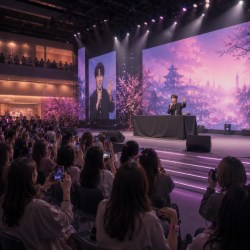
There's a reason ticket sales spike the moment a major guest announcement drops. When Anime Expo revealed that voice actor Kana Hanazawa would appear in 2023, registration surged within hours. That pattern repeats across conventions worldwide, from Crunchyroll Expo to MCM London Comic Con, because a single confirmed name can transform a regional event into a destination worth flying to.
Exclusive appearances carry weight that merchandise and screenings simply can't replicate. A first-time overseas performance from a J-pop act, a reunion panel with a beloved anime's original cast, or a live interview with a manga creator offers something genuinely unrepeatable. Fans aren't just attending an event; they're present for a moment that won't stream later.
Beyond attendance numbers, these bookings shape how conventions are perceived culturally. Direct access to creators and performers signals that a convention operates as a serious platform for Japanese pop culture rather than a commercial showcase. That legitimacy builds fan loyalty across years, not just weekends.
The stage is where fandom becomes personal
Across every panel room, autograph table, and concert stage, guest artists give Japanese pop culture conventions something no merchandise hall can replicate: genuine human presence. Voice actors bring beloved characters into the room; musicians perform songs that fans have carried through years of their lives; manga creators sign pages with the same hands that drew them. Structured sessions, whether a live Q&A or a brief signing, turn that presence into contact, and contact into memory. There's no denying these appearances remain one of the strongest reasons audiences travel hundreds of miles to attend. Seeing a creator or performer not as a distant name on a streaming credit, but as someone who laughs, answers questions, and shares the same fandom space, quietly transforms the convention from an event into something that genuinely stays with people.